


















Most people never consider what it takes to help someone dress, eat, and stay safe every hour of every day, for a lifetime. For families supporting loved ones with Angelman syndrome, these are not simply acts of care – they are mandatory parts of a daily routine. Angelman syndrome is a rare neurodevelopmental disorder characterized by severe cognitive and speech impairment, sleep disorders, motor dysfunction, and hyperactivity. Angelman syndrome is lifelong, with unique clinical manifestations and care considerations across an individual’s lifespan. With no approved therapies, care focuses entirely on managing symptoms, placing the full weight of daily support on caregivers.
To better understand the lifelong impact of Angelman syndrome on families, Ultragenyx recruited seven current and future caregivers from the U.S., Canada, Italy, and Australia for in-depth interviews. Study findings were presented at the ISPOR 2026 Annual Meeting, the world’s leading forum for health economics and outcomes research.
Understanding the Realities of Lifelong Caregiving
As those with Angelman syndrome grow and age, caregivers report substantial and persistent burdens that impact all aspects of family life. However, findings show that caregivers differ in their approach to planning for the future.
“There is a lack of understanding not only of Angelman syndrome itself, but of the wider impact it can have on caregivers, families, and by extension, society,” says Manpreet Sidhu, executive director of global HEOR and epidemiology at Ultragenyx. “Decision-makers across the scientific community need to fully understand the societal impact that caregiving can have and bring those factors to the table when making decisions.”
For Heidi B., mother of Callum who lives with Angelman syndrome, limited information on how the condition evolves in adulthood inspired her participation in the study. “I felt it was my responsibility to share what I can about the journey we are on,” she explains. “No two Angels are the same, but I always feel that any information is useful information.”

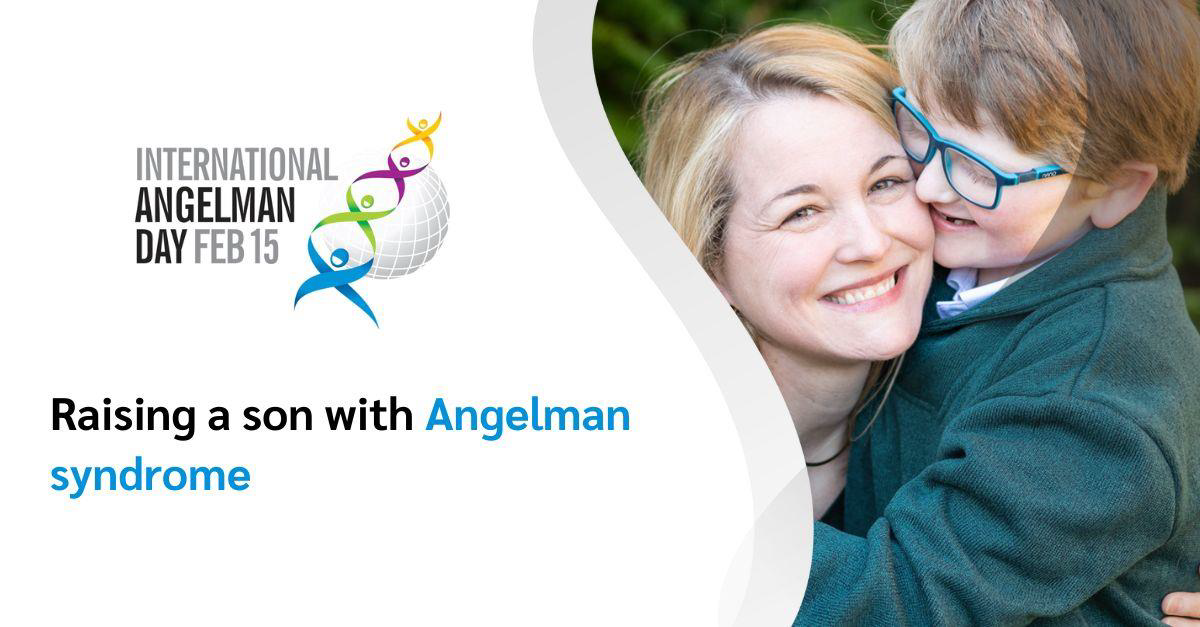
Heidi and her son, Callum.
Sally S., younger sister of Stephanie who lives with Angelman syndrome, expresses a similar sentiment, “As an Angelman syndrome sibling and as a health economist and outcomes researcher, I’m especially passionate about contributing to studies that highlight the significant financial and quality of life impact of this condition on our loved ones and families, as well as the economic impacts within our health systems and societies more broadly.”
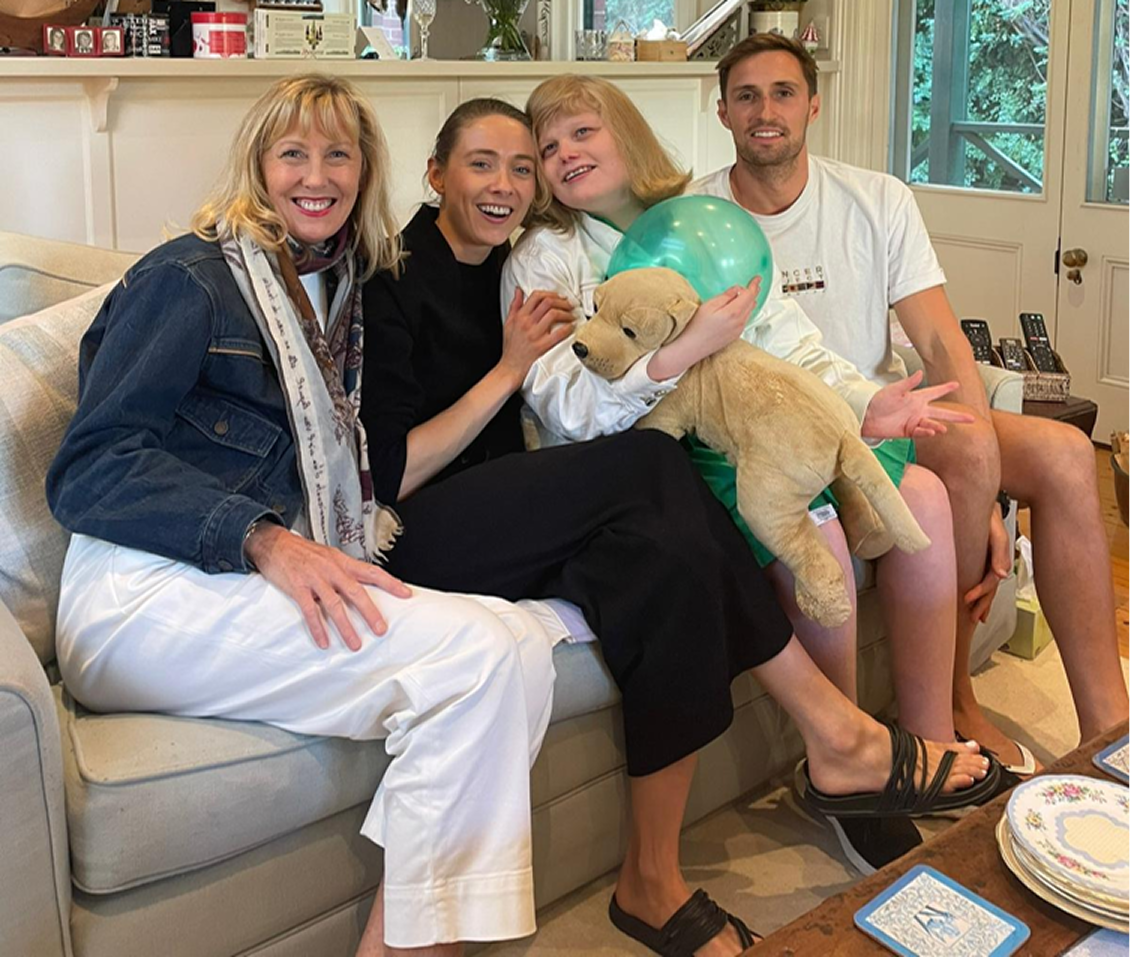
Sally, her sister Stephanie, and family members.
The Turning Point: Life After 18
For families living with Angelman syndrome like Callum’s, achieving the milestone of a child’s 18th birthday also means preparing for change. School-based services can end abruptly, pediatric care transitions without continuity, and families must suddenly navigate inconsistent government benefits and sparse adult care options. For most, full-time home care is not a choice. It is the only option available.
“When Callum reached the age of 18, we were suddenly thrust into the world of adulthood,” Heidi explains. “Suddenly, your child is no longer part of the same systems. Being as prepared as you can for the 18 to 21 age timeframe is hugely important.”
Participating families also point to the burdens of long-term planning. “Over the years, Stephanie had developed close relationships with many of her pediatric specialist doctors. However, the expectation was that upon turning 18, Stephanie would “graduate” to adult care,” Sally shares. “This required significant time and effort to ensure all of the relevant medical and contextual information was handed over to new doctors.”
“The legacy planning that caregivers need to take into account is a hidden element of Angelman syndrome that society as a whole hasn’t seen but is so fundamental to caregivers and to the continued care of individuals living with Angelman,” says Manpreet. “Support for families varies enormously from state to state and country to country, with access to respite care, residential options, and financial assistance determined more by geography than need.”
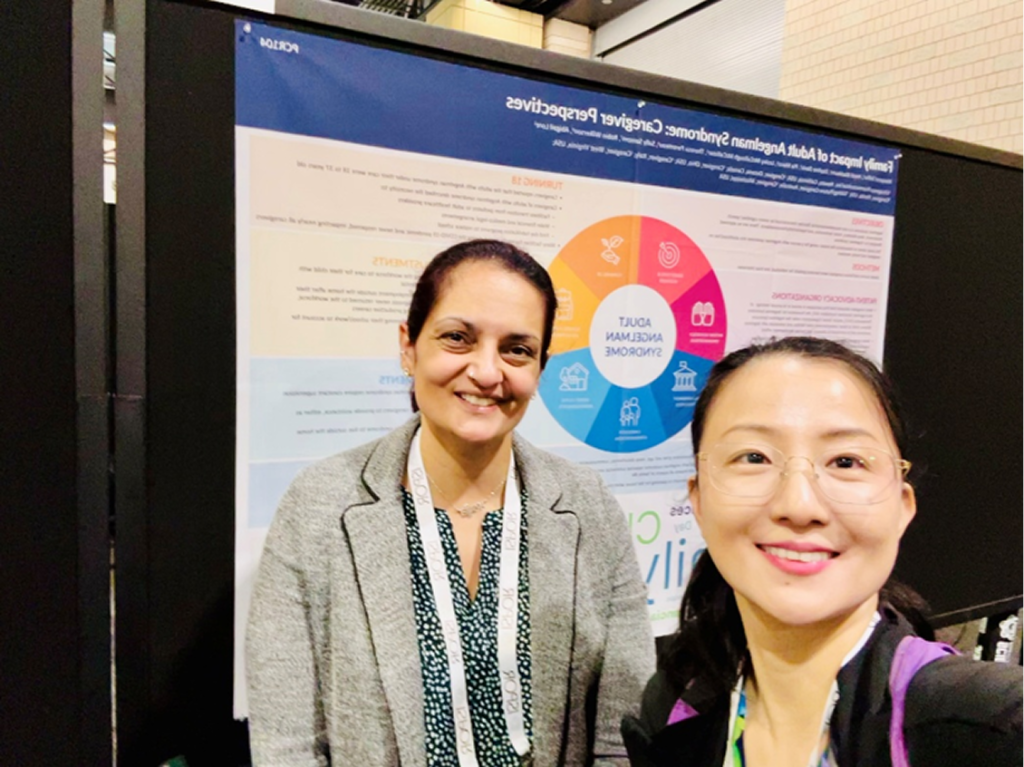
Manpreet and Ultragenyx colleague, Christy Yang, in front of the poster presentation at the ISPOR 2026 Annual Meeting.
The question of how family members can access their own support is often left unanswered and largely navigated alone. A majority of caregivers interviewed report that they left the workforce entirely after diagnosis and never returned. Siblings, like Sally, described how their family dynamics quietly shaped their own life plans and careers around anticipated future caregiving responsibilities, a sacrifice that often goes unseen.
“As I’ve gotten older, I’ve become more involved in various decisions regarding Stephanie’s medical care, and legal and financial arrangements,” Sally says. “I feel a level of anticipatory responsibility for Stephanie in view of the fact that I, and my other sister, may one day be her legal guardians.”
Understanding that individuals with Angelman syndrome are living longer than ever before, supporting adults and their caregivers has become an important priority for the Angelman Syndrome Foundation (ASF).
“One of the themes we continue to hear from families is that the need for adult services is growing rapidly,” says Amanda Moore, CEO of ASF. “According to ASF survey data, the vast majority of adults with Angelman syndrome continue to live at home with aging caregivers. As a result, transition planning and adult supports have become a major focus area for ASF as we look toward the future.”
“Never Give Up”
Ultragenyx is committed to listening and translating caregiver insights into evidence that can bridge gaps for the Angelman syndrome community. “We’ve only just hit the tip of the iceberg,” Manpreet explains. “We must continue to bring these challenges into the public consciousness to drive policy change that considers long-term planning, so that this community isn’t forgotten but remains a part of society.”
To other families caring for loved ones with Angelman syndrome, Heidi shares her hope that this continued research can drive lasting change. “Never give up on your Angel. I was told Callum would never be able to point. I wish I could show that same doctor the way he uses his tablet today with such intent. I was told that Callum would never walk. At age 10, he took his first steps. He proved them all wrong.”
Families seeking more information and resources about Angelman syndrome can visit the Angelman Syndrome Foundation’s website at: https://angelman.org/resources/.